
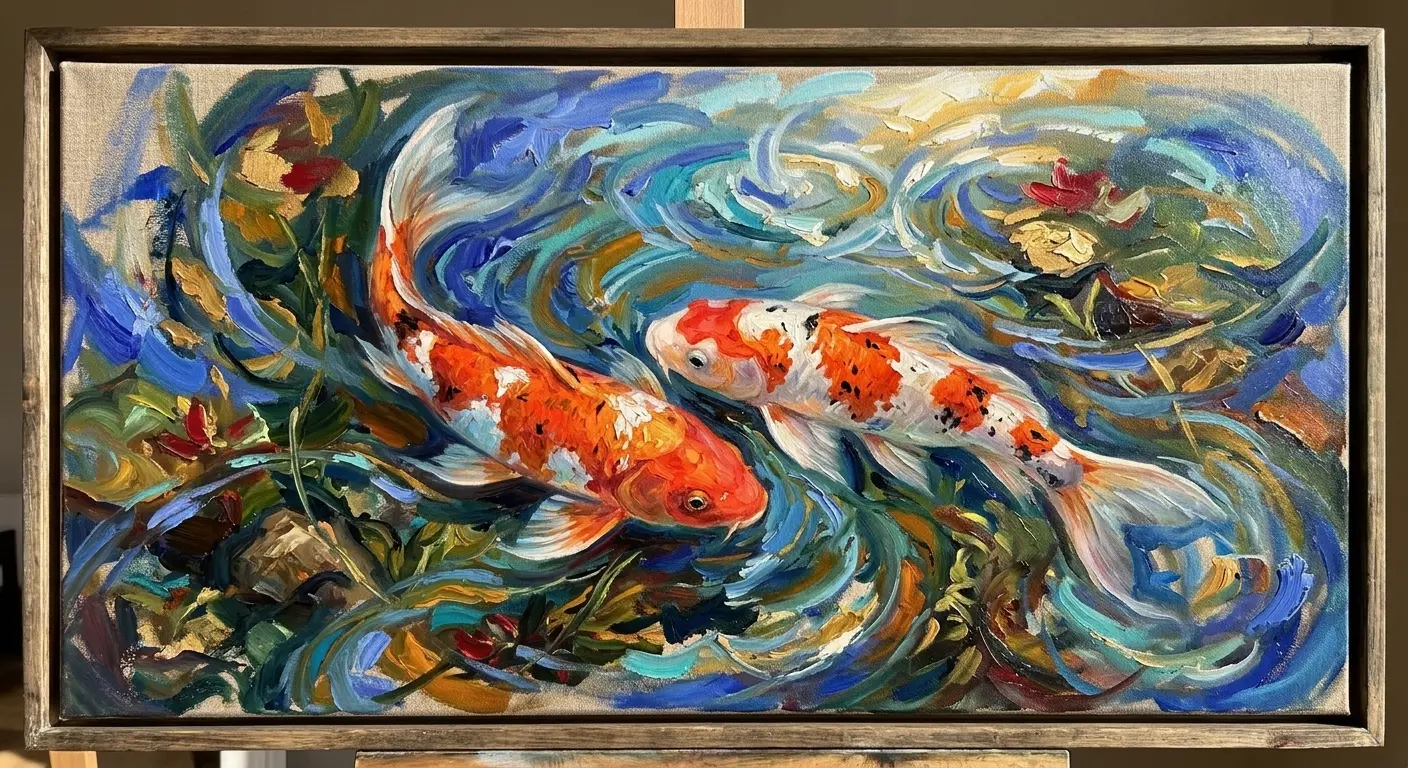
The fascinating world of koi
Living jewels, symbols of strength and love, and some of the longest-living pets you can own. Here is what makes koi so special.
Koi in six numbers
Of breeding history
Colored koi were first bred from common carp by rice farmers in Niigata, Japan, in the early 1800s.
Recognized varieties
From Kohaku to Kumonryu, breeders recognize well over 100 varieties of koi.
Typical lifespan
With clean water and good care, pond koi commonly live 25 to 35 years, and some much longer.
Adult length
Koi can reach two to three feet. “Jumbo” koi can grow even bigger in large, well-kept ponds.
Oldest on record
A famous scarlet koi named Hanako was reported to be about 226 years old when she died in 1977.
Dollars for one koi
In 2018 a champion Kohaku sold for close to $2 million, among the highest prices ever paid for a koi.
From rice paddies to living art
Rice paddies of Niigata
Farmers raising carp for food in mountain villages notice fish with red and white coloring and begin breeding them for beauty.
A national debut
Colored koi are shown at the Tokyo Taisho Exhibition, sparking interest across Japan.
The Gosanke takes shape
Taisho Sanke and then Showa join Kohaku, forming the “big three” varieties still prized today.
Metallic koi appear
Breeders develop the shining Ogon, opening the door to dozens of metallic varieties.
Koi go global
Better transport lets koi travel the world. Today koi shows and clubs thrive on every continent.
Hover or tap to reveal
Do koi have a stomach?
No. Koi have no true stomach, so food passes through quickly. That is why several small feedings are better than one big one.
Can koi recognize people?
Yes. Koi learn who feeds them and will swim over to greet familiar faces. Many even learn to eat from your hand.
Where are a koi’s teeth?
In the throat. Koi have pharyngeal teeth behind the gills that crush food, so they cannot bite you.
What does “koi” mean?
Koi simply means carp. It sounds the same as the Japanese word for love and affection, which is why koi are a popular symbol of love.
Why do koi symbolize strength?
Legend says a koi that swam up the waterfall at the Dragon Gate was turned into a dragon, a symbol of perseverance and success.
Can a koi’s colors change?
Yes. Patterns can develop, fade or deepen as koi grow, especially in varieties like Showa. Water and diet play a part too.
How do koi “hear”?
Koi feel vibrations through a sensitive lateral line along each side of the body, so they know you are coming before they see you.
What are the koi flags in Japan?
Koinobori, colorful carp-shaped streamers, fly on Children’s Day (May 5) to wish children strength and success.
Keeping koi happy in the Florida sun
Koi do beautifully here when the pond is built for our climate. A few things make all the difference:
Warm water holds less oxygen
South Florida water stays warm most of the year. Strong aeration and good circulation keep koi breathing easy.
Deeper is better
A pond at least 3 feet deep gives koi cooler water to retreat to and protection from wading birds.
Shade helps
Plants, lily pads and pergolas cut the midday sun, which keeps water cooler and algae under control.
Year-round appetite
Koi eat more in warm water, so filtration needs to keep up. We size systems for Florida, not for colder climates.
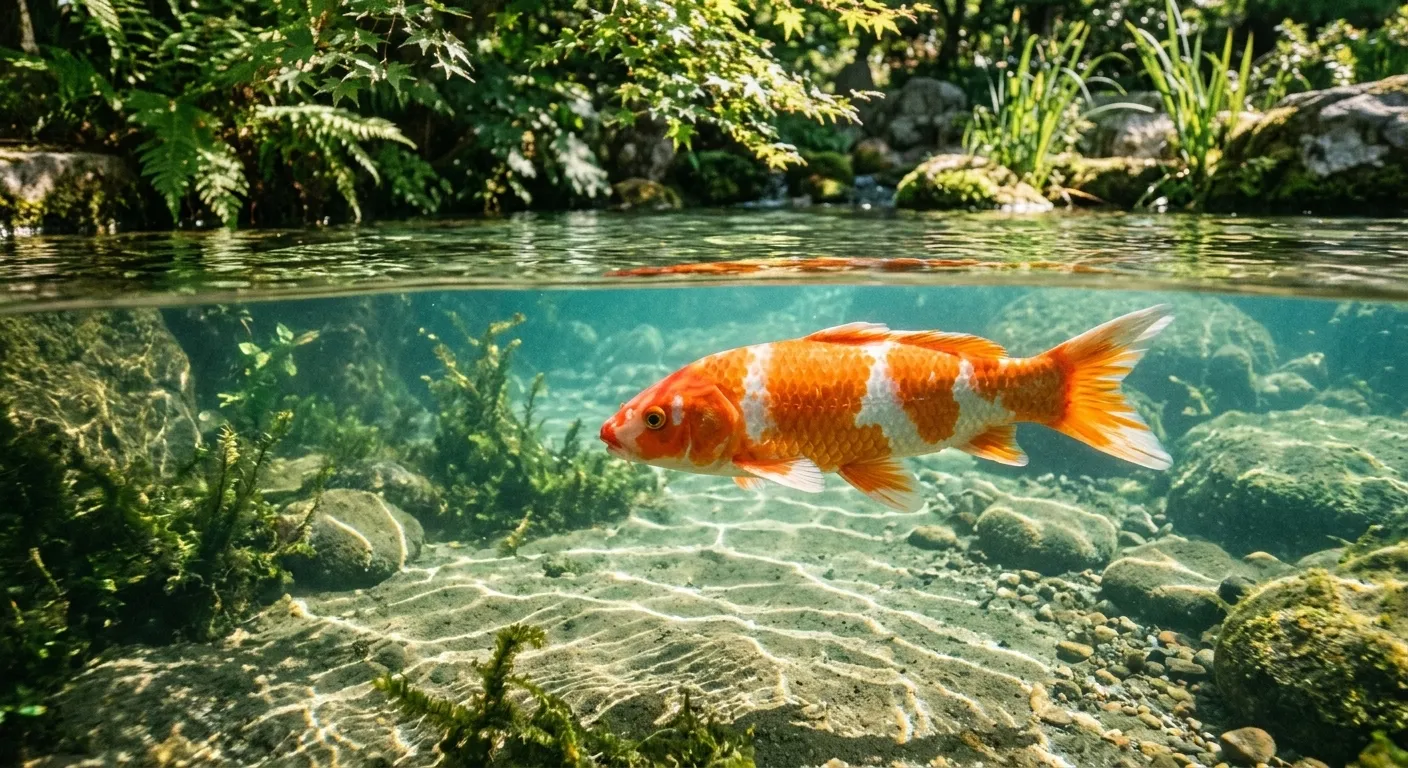 Clear, cool, oxygen-rich water
A koi that swims against the current becomes a dragon.
Traditional legend of the Dragon Gate
Ready to welcome koi home?
We’ll help you build the right pond and choose koi that will thrive in it for decades.
Get My Free Quote